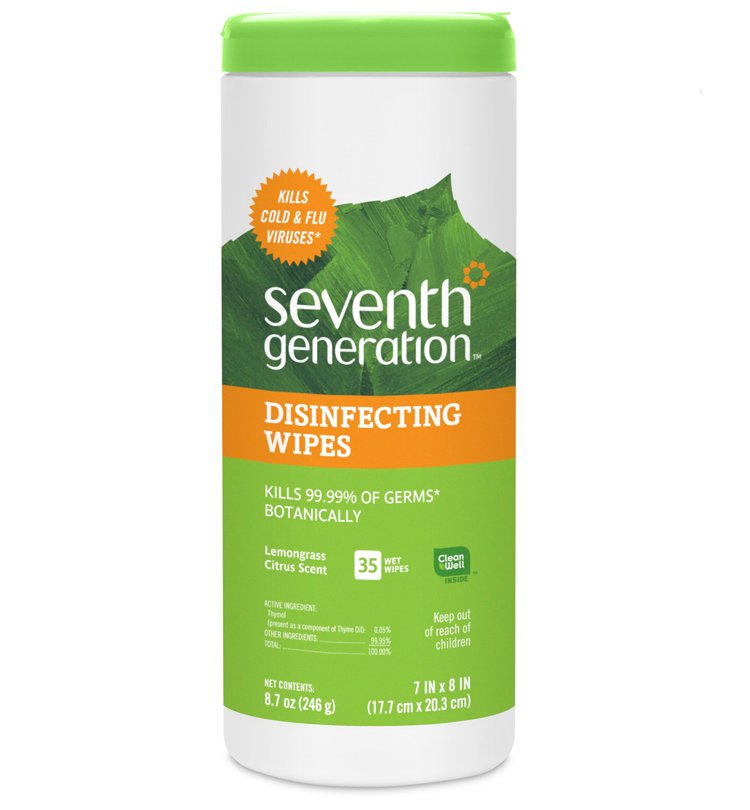
The quest for truly "clean" products can feel like navigating a dense jungle, especially when it comes to something as intimate as baby wipes or household cleaning cloths. You want to trust the claims on the label, but a healthy dose of skepticism is essential. This guide aims to pull back the curtain on Understanding Seventh Generation Wipes Ingredients & Safety to help you make truly informed choices, cutting through the greenwashing claims and marketing jargon.
Seventh Generation has long positioned itself as a beacon in the "green" cleaning and personal care space, standing alongside brands like Mrs. Meyer's, Method, and Grove Collaborative. But how deep does that green go, particularly when it comes to their popular wipes? Let's explore what’s inside, what’s left out, and what these choices mean for your health and the planet.
At a Glance: Seventh Generation Wipes
- Pros: High ingredient transparency (lists full ingredients, specific fragrance components, E.U. allergens); generally free from phthalates, endocrine disruptors, QUATs, optical brighteners; often uses safer active ingredients like Thymol; plant-based options available; publishes environmental reports.
- Cons: Not "all-natural" – contains some synthetics that can be irritants for sensitive skin/allergies; uses ethoxylated ingredients (potential 1,4 dioxane contamination); significant plastic use; owned by Unilever (raises trust and ethical concerns for some); unclear updates on "100% biobased" goal and discontinued "MADE SAFE" certifications.
- Verdict: Better than many conventional options, but not without caveats. Falls in the middle of the "eco-friendly" spectrum with room for improvement.
The "Green" Spectrum: Where Seventh Generation Sits
When you grab a pack of Seventh Generation wipes, you're likely doing so because you're looking for a safer, more environmentally conscious alternative to conventional options. The brand itself, founded in Vermont in 1988, is named after an Iroquois philosophy that urges us to consider the impact of our decisions on the next seven generations. It's a powerful and aspirational name, hinting at deep commitment.
For many years, Seventh Generation was an independently owned pioneer in the natural products market. This changed in 2016 when the brand was acquired by Unilever, a massive multinational corporation. This shift is significant, and we’ll unpack its implications later.
In the grand scheme of cleaning and personal care products, Seventh Generation generally occupies a respectable middle ground. They are undoubtedly a step up from many conventional wipes laden with harsh chemicals, undisclosed fragrances, and known irritants. However, they aren't at the absolute pinnacle of "natural" or "zero-waste" offerings either. Understanding this nuanced position is key to evaluating their products fairly. Terms like "sustainable," "eco-friendly," and "non-toxic" are often loosely applied by brands, making your role as a critical consumer more important than ever.
Peeking Behind the Label: What's Really In Seventh Generation Wipes?
Seventh Generation's dedication to ingredient transparency is one of its strongest selling points. While many brands hide behind vague terms, Seventh Generation has gone above and beyond, often exceeding regulatory requirements (like California's strict standards) by listing comprehensive ingredients on their packaging and online. This commitment is a big win for consumers who want to know exactly what they're bringing into their homes.
The Good News: What Seventh Generation Gets Right
- Full Ingredient Disclosure: You won't find vague terms like "proprietary blend" on their labels. Seventh Generation lists out every component, even down to specific fragrance ingredients. This level of detail empowers you to research individual components if you have particular sensitivities.
- Addressing the "Fragrance Loophole": This is huge. Many brands use the single word "fragrance" or "parfum" on their labels to hide dozens, sometimes hundreds, of undisclosed chemicals, including potentially problematic ones like phthalates. Seventh Generation, however, goes further, identifying the plant-based essential oils or other botanical extracts used for scent and even listing E.U. allergens if present. This transparency helps you avoid a common hidden source of irritants.
- Safer Ingredient Choices: Generally, Seventh Generation products, including their wipes, are formulated without a range of concerning chemicals often found in conventional options:
- Phthalates: Known endocrine disruptors.
- Endocrine Disruptors: Chemicals that can interfere with the body's hormonal system.
- QUATs (Quaternary Ammonium Compounds): Common disinfectants often linked to asthma and skin irritation.
- Optical Brighteners: Chemicals used to make things appear cleaner, but don't actually clean.
- Thymol as an Active Disinfectant: For their disinfecting wipes, Seventh Generation often uses Thymol, a botanical ingredient derived from thyme oil, as its active disinfectant. This is a significant improvement over harsher chlorine-derived synthetics, offering effective germ-killing power with a generally safer profile. If you're particularly sensitive, they also offer fragrance-free and Thymol-free options among their Seventh Generation wipes.
The Nuance: Not Quite "All-Natural" – And Why That Matters
Despite their commitment to safer choices, it's crucial to understand that Seventh Generation products are not "all-natural." They incorporate synthetic ingredients, some of which can be problematic for certain individuals, particularly those with highly sensitive skin, eczema, allergies, or asthma.
Think of it this way: "natural" doesn't automatically mean "safe," and "synthetic" doesn't automatically mean "bad." The key lies in understanding the specific ingredients and their potential impact.
- Synthetics and Irritants: While free from many harsh chemicals, some ingredients in Seventh Generation wipes might still be irritants for a small percentage of people. For example, some preservatives, even those considered "safer" than alternatives, can cause reactions in very sensitive individuals. Always patch-test new products if you have known skin sensitivities.
- The "Eth" Problem: Demystifying Ethoxylated Ingredients: This is a significant point of concern for many health-conscious consumers. You'll often spot ingredients with "eth" in their name, such as "PEG-6 methyl ether" or "polysorbate 20." These are ethoxylated ingredients, which means they've undergone a process called ethoxylation.
- The Concern: The process of ethoxylation can lead to contamination with two concerning byproducts: 1,4-dioxane and ethylene oxide. Both are classified as carcinogens. While manufacturers often try to remove these contaminants, complete removal is difficult, and trace amounts can remain.
- Widespread but Avoidable: Ethoxylated ingredients are incredibly common across many personal care and cleaning products because they're effective emulsifiers and surfactants. They’re hard to avoid entirely in the mainstream market. However, some brands, such as Branch Basics and Force of Nature, have made a point of formulating their products without them, demonstrating that alternatives exist. For those highly concerned about potential carcinogen exposure, even in trace amounts, this is a valid consideration when choosing Seventh Generation wipes or other products.
Beyond the Ingredient List: Broader Brand Concerns
A brand's commitment to safety and sustainability extends beyond just the components in a single product. For Seventh Generation, there are several larger systemic concerns that conscious consumers often weigh.
The Plastic Predicament
Despite its "seven generations" philosophy, Seventh Generation still relies heavily on plastic for its product packaging, including wipes containers. While they may incorporate some recycled content, the sheer volume of new plastic production and consumption remains a significant environmental hurdle. In an era where many innovative brands are pushing for refillable systems, package-free options, or compostable materials, Seventh Generation lags behind some of its more agile competitors in addressing this critical issue.
Unilever's Shadow: The Ownership Question
The acquisition of Seventh Generation by Unilever in 2016 was a pivotal moment. For many conscious consumers, large corporate ownership immediately raises red flags, primarily due to:
- Trustworthiness: Can a large, publicly traded corporation truly maintain the same ethical and environmental standards as a smaller, mission-driven independent brand? Unilever’s primary fiduciary duty is to its shareholders, which can sometimes conflict with ambitious environmental or social goals if those goals impact profitability.
- Ethical Operations & Supply Chain Oversight: Unilever operates on a global scale with vast, complex supply chains. Seventh Generation, like many brands, does not own its manufacturing facilities. This creates concerns about the level of oversight and control Unilever (and by extension, Seventh Generation) has over the ethical sourcing of raw materials, labor practices, and environmental impact across its immense network.
- Potential Hypocrisy: Unilever also owns numerous other brands, some of which, like Axe and Dove, frequently use ingredients that Seventh Generation actively avoids or brands that don't share the same environmental ethos. This can create a perception of "greenwashing by association" or at least raise questions about the parent company's overall commitment to the principles Seventh Generation champions. Does Unilever genuinely embrace Seventh Generation's mission, or is it simply acquiring a market share in the "green" segment?
Unclear Goals & Discontinued Certifications
Two specific issues further complicate the picture of Seventh Generation's long-term commitment:
- "100% Biobased by 2020" — An Unanswered Question: The brand had publicly stated a goal of achieving 100% biobased ingredients by 2020. However, there has been a noticeable lack of updates or public clarity on whether this goal was met or how it was redefined. This silence can erode consumer confidence in the brand's stated commitments.
- Discontinued MADE SAFE Certification: Perhaps most perplexing for rigorous ingredient scrutinizers is the apparent discontinuation of "MADE SAFE" certified products by Seventh Generation. MADE SAFE is a highly respected, independent third-party certification that screens products for thousands of known toxic chemicals, making it one of the most stringent seals for ingredient safety. The reasons for Seventh Generation moving away from this certification remain unclear, leaving consumers to wonder if their product formulations have changed or if the brand has shifted its priorities regarding external validation of safety. This is a significant concern for those who rely on such certifications for peace of mind.
Making Informed Choices: Your Decision Framework
Navigating the landscape of "green" products means developing your own internal decision framework. For Seventh Generation wipes, here's how to think about it:
Who Are Seventh Generation Wipes Best For?
- Individuals transitioning from conventional products: If you're looking to make a meaningful step up from mainstream, chemical-laden wipes, Seventh Generation wipes are an excellent starting point. They offer significantly fewer concerning chemicals.
- Those prioritizing transparency: Their detailed ingredient lists are a huge advantage, especially if you have specific allergens or ingredients you wish to avoid.
- Consumers seeking effective, safer disinfectants: Their Thymol-based disinfecting wipes provide an effective alternative to harsh chemical disinfectants without sacrificing efficacy.
- People comfortable with "better than but not perfect": If you understand they're not fully "all-natural" or zero-waste but appreciate the move towards more plant-based ingredients and ingredient safety, they fit well.
When Might You Consider Alternatives?
- If you have extreme ingredient sensitivities or allergies: While better, the presence of some synthetics or specific plant extracts (even essential oils) can still be problematic for the most reactive individuals. Consider truly minimalist, single-ingredient wipes or DIY solutions.
- If you strictly avoid ethoxylated ingredients: The concern over 1,4-dioxane and ethylene oxide is real for many. If this is a non-negotiable for you, brands like Branch Basics or Force of Nature offer alternative philosophies.
- If plastic use is a primary concern: For those striving for a zero-waste lifestyle or drastically reducing plastic consumption, Seventh Generation's reliance on plastic packaging will be a deal-breaker. Explore compostable wipes or reusable cloth options.
- If corporate ownership by Unilever conflicts with your ethical framework: For some, the acquisition by a large conglomerate fundamentally undermines the "mission-driven" ethos. If independent, smaller-scale production or strict adherence to a brand's original philosophy is key, you might look elsewhere.
- If third-party certifications like MADE SAFE are essential: The discontinuation of such certifications removes a layer of external vetting that some consumers rely on for ultimate peace of mind.
What to Look For on Labels (Beyond Just Seventh Generation)
No matter what brand you're considering, cultivating a habit of label literacy is invaluable:
- Full Ingredient Lists: Always prioritize brands that list all ingredients, not just key ones.
- Fragrance Transparency: Look for brands that disclose fragrance components (e.g., "essential oils of lavender and chamomile") rather than just "fragrance" or "parfum."
- Third-Party Certifications: Seals from organizations like EWG Verified, USDA Organic, or (if applicable) MADE SAFE can provide additional layers of trust, but always understand what each certification actually guarantees.
- Avoid the Big "No-Nos": Learn to spot common irritants or chemicals you wish to avoid (e.g., phthalates, parabens, sulfates, harsh preservatives, synthetic dyes).
- Ethoxylated Ingredients: Keep an eye out for ingredients ending in "-eth" or starting with "PEG-" if you wish to avoid them.
Frequently Asked Questions About Seventh Generation Wipes
Are Seventh Generation wipes truly "non-toxic"?
The term "non-toxic" is tricky because it lacks a definitive legal definition and can be applied loosely. Seventh Generation wipes are formulated to avoid many chemicals commonly considered toxic or harmful in conventional products, like phthalates, parabens, and many synthetic fragrances. In that sense, they are "less toxic" or "safer" than many alternatives. However, they are not "all-natural" and contain some synthetic ingredients, including ethoxylated compounds, which can be problematic for some due to potential contamination risks (1,4 dioxane). For individuals with extreme sensitivities or those seeking to avoid all synthetic compounds, the claim "non-toxic" might not align with their personal definition.
Are Seventh Generation wipes biodegradable?
This depends on the specific product, but generally, while the fabric component of many of their wipes may be plant-derived (e.g., wood pulp, cotton), the entire wipe unit, especially with the plastic packaging, does not fully biodegrade in typical landfill conditions. Even "biodegradable" claims for wipes often mean they could break down under ideal composting conditions, which are rarely met in municipal waste streams. More importantly, the plastic packaging used for all Seventh Generation wipes is not biodegradable and contributes to plastic waste.
Do Seventh Generation wipes contain alcohol?
Most Seventh Generation wipes, particularly their baby wipes and general purpose cleaning wipes, are explicitly formulated to be alcohol-free. This is a common choice for brands aiming for gentler products, especially for sensitive skin. However, always check the specific product label, as formulations can vary, and some specialty disinfecting products might contain certain types of alcohol (like ethanol) as part of their active ingredients, though Thymol is more common for their disinfecting lines.
Are Seventh Generation wipes safe for babies/sensitive skin?
Seventh Generation offers several lines specifically designed for babies and sensitive skin, often labeled as "Free & Clear" or "Sensitive Skin." These are typically fragrance-free and formulated without common irritants. While they are a significantly safer option than many conventional baby wipes, it's important to remember that individual sensitivities vary. Some individuals with severe eczema, allergies, or chemical sensitivities might still react to certain plant-derived ingredients or preservatives present. Always perform a patch test if you or your baby have highly reactive skin, and consult with a pediatrician or dermatologist if concerns persist.
Navigating the "Green" Market with Confidence
The journey to a healthier, more sustainable lifestyle is ongoing, and the products we choose play a significant role. Seventh Generation has made commendable strides in ingredient transparency and offering safer alternatives, moving the needle forward for the entire industry. However, no brand is perfect, and their journey with synthetic ingredients, plastic use, and corporate ownership presents areas for critical evaluation.
Ultimately, your choices come down to your priorities. Are you seeking significant improvements over conventional products? Seventh Generation delivers. Are you striving for absolute purity, zero-waste, or complete independence from corporate influence? You might need to look further up the "green" spectrum.
By understanding the full picture – the good, the nuanced, and the concerning – you empower yourself to make decisions that truly align with your values and needs. Read labels, ask questions, and support brands that genuinely strive for a better world, even as you hold them accountable to their promises. Your home, your health, and the next seven generations will thank you for it.