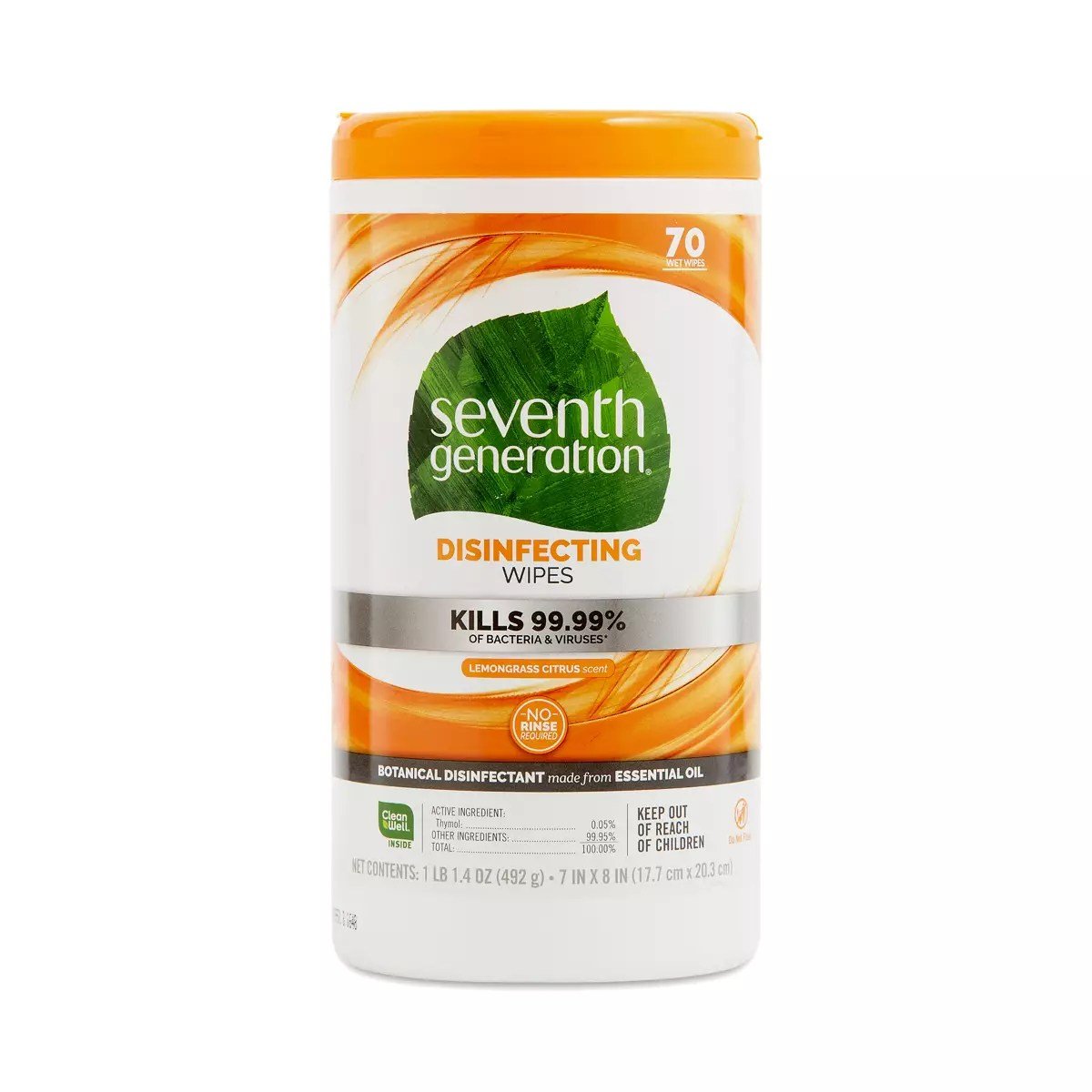
In a world increasingly conscious of its ecological footprint, the products we choose for our daily routines carry more weight than ever. Among the myriad of options lining store shelves, Seventh Generation wipes often stand out, marketed as a beacon of green cleaning. But how deeply do these claims resonate with reality, particularly concerning The Environmental Impact & Sustainability of Seventh Generation Wipes? Let's peel back the layers and understand what makes these wipes both a praised solution and a subject of ongoing scrutiny.
We’re diving into the specifics of Seventh Generation's commitment to the planet, their ingredient choices, and the challenges they—and by extension, we—face in striving for true sustainability. This isn't just about what's in the bottle; it's about the entire lifecycle, from sourcing to disposal, and the broader implications for our shared future.
At a Glance: Seventh Generation Wipes & the Environment
- Plant-Powered Cleaning: Active ingredient thymol (from thyme oil) effectively cleans and sanitizes, meeting EPA standards against common bacteria and viruses, including SARS-CoV-2.
- Biodegradable & Compostable: Wipes are made from plant-derived fibers designed to break down in compost within weeks, reducing landfill waste.
- Safety First: Formula is VOC-free, free from harsh toxicants like phthalates and QUATs, and generally safer for children and pets.
- Sustainability Pledges: Brand commits to carbon neutrality and manufacturing in renewable energy-powered facilities by 2025.
- Certified Green: B Corp certified for social and environmental performance, and Leaping Bunny certified for cruelty-free practices.
- Transparency Focus: Full ingredient lists, including fragrance components and allergens, are publicly available.
- Areas for Improvement: Concerns exist regarding synthetic preservatives, ethoxylated ingredients, significant plastic packaging, and unanswered questions about chemical policy.
- Unilever Ownership: Acquisition by a large conglomerate raises questions for some consumers about continued ethical oversight.
The Seventh Generation Story: A Legacy of Intent
The story of Seventh Generation begins in Vermont in 1988, rooted in a powerful ancient Iroquois philosophy: that in every decision, we must consider the impact on the next seven generations. This founding principle imbues the brand with a mission far beyond simple cleaning; it’s about nurturing a healthier future. For decades, Seventh Generation built its reputation on offering cleaning and personal care products designed with environmental stewardship in mind.
However, the landscape shifted in 2016 when Unilever, a global consumer goods giant, acquired the brand. This move, while providing Seventh Generation with broader reach and resources, also introduced a new layer of complexity for consumers. Could a brand built on deep ethical foundations maintain its integrity under the umbrella of a large corporation often associated with more conventional practices? This question sits at the heart of many discussions around the brand’s current sustainability claims.
Decoding "Green": What Seventh Generation Wipes Promise
When you reach for a pack of Seventh Generation sanitizing wipes, you're likely doing so with the expectation of a cleaner, safer, and more environmentally responsible choice. The brand has worked hard to cultivate this image, and there's substantial evidence to support many of their core assertions.
Plant-Based & Biodegradable: The Core Claim
At the forefront of their environmental appeal is the plant-based nature of their wipes. Instead of harsh chemical disinfectants, Seventh Generation uses thymol, an active ingredient derived from thyme oil. This botanical approach meets stringent EPA standards, proving effective against 99.9% of common bacteria and viruses, including influenza and even SARS-CoV-2 variants. This efficacy, without the lingering toxic residues of many conventional cleaners, is a significant draw, especially as we navigate a world where sanitization remains a top priority.
Crucially, the wipes themselves are made from plant-derived fibers. This isn't just a marketing buzzword; it speaks to the product's end-of-life impact. These fibers are designed to break down efficiently in compost, often within weeks. In a world grappling with overflowing landfills, the ability of a frequently used disposable product to return to the earth is a powerful promise. This aligns well with increasing environmental regulations, such as those anticipated for 2025, which demand more sustainable product lifecycles.
Safety First: VOC-Free, No Harsh Toxins
A major differentiator for Seventh Generation is its commitment to creating products free from a laundry list of concerning chemicals. Their formulas are VOC-free (Volatile Organic Compounds), meaning they release fewer harmful gases into your home's air quality. This is particularly important for households with children, pets, or individuals sensitive to respiratory irritants.
The brand explicitly avoids harsh toxicants like phthalates, known endocrine disruptors; QUATs (quaternary ammonium compounds), often found in disinfectants and associated with health concerns; and optical brighteners, which can be skin irritants and persist in the environment. This dedication to ingredient purity offers a layer of peace of mind that many conventional cleaning products simply cannot match. For those looking to delve deeper into the brand's offerings, you can learn about Seventh Generation wipes and explore their full range of products.
Packaging & Carbon Footprint: Beyond the Wipe
The sustainability story doesn't end with the wipe itself. Seventh Generation also addresses the environmental impact of its packaging and manufacturing processes. Their wipe packaging is recyclable, a critical step in diverting plastic waste from landfills and oceans. This commitment to recyclable materials helps users responsibly dispose of the product once it's empty, aligning with modern waste management practices.
Looking even broader, the brand has pledged to achieve carbon neutrality, with manufacturing in facilities powered by renewable energy, by 2025. This ambitious goal targets the emissions generated throughout their operations, from production to distribution, signaling a comprehensive approach to reducing their climate footprint. Such initiatives are crucial for businesses aiming to meet green certification standards, making their products suitable not just for homes (kitchens, nurseries) but also for commercial spaces like offices and schools that prioritize environmental responsibility.
Certifications that Matter
For the discerning consumer, certifications provide third-party validation of a brand's claims. Seventh Generation proudly holds several, which lend significant credibility to its sustainability efforts:
- B Corp Certified: This certification signifies that Seventh Generation meets rigorous standards of social and environmental performance, accountability, and transparency. It’s a holistic assessment of a company’s impact on its workers, customers, community, and the environment.
- Leaping Bunny Certified: This certification assures consumers that the final products are cruelty-free, meaning they are not tested on animals. This aligns with ethical consumer values and contributes to a more humane supply chain.
Beyond these, the brand engages in broader sustainability initiatives, including developing concentrated formulas to reduce packaging and shipping weight, offering some zero-plastic products, and working to improve palm oil sourcing, addressing a major driver of deforestation. Their products are also septic-safe, another consideration for environmental impact in specific household systems.
Beyond the Marketing Hype: Where Seventh Generation Faces Scrutiny
While Seventh Generation makes compelling sustainability claims, a comprehensive assessment requires looking beyond the marketing and into the areas where the brand, like many others, faces challenges and scrutiny. The path to true sustainability is complex, and no company is perfect.
"Greenwashing" Accusations: The Nuance of Terminology
One of the most persistent criticisms leveled against "green" brands, including Seventh Generation, revolves around accusations of greenwashing. This refers to the practice of making unsubstantiated or misleading claims about the environmental benefits of a product or company. The core issue lies in the lack of definitive, legally binding meanings for terms like "eco-friendly" and "non-toxic." What one company considers "eco-friendly," another might deem insufficient.
Seventh Generation combats this by offering extensive ingredient transparency, listing full ingredients—including plant-based fragrance components and E.U. allergens—directly on their products and online. This level of disclosure empowers consumers to make their own judgments, moving beyond vague labels to concrete information. However, the very existence of such scrutiny highlights the consumer's need to remain vigilant and informed, always asking for specifics behind broad environmental claims.
Ingredient Transparency: A Double-Edged Sword?
While Seventh Generation is praised for its ingredient transparency and avoidance of harsh toxicants like phthalates and QUATs, a closer look at their ingredient lists reveals areas of concern for some consumers.
- Synthetic Preservatives: Some products may contain synthetic preservatives such as methylisothiazolinone and benzisothiazolinone. While necessary for product stability and safety (preventing microbial growth), these ingredients can be skin irritants for sensitive individuals.
- Sodium Lauryl Sulfate (SLS): This common surfactant, found in some products, can also be a skin and eye irritant. While it effectively creates lather and cleans, its presence can be a concern for those seeking the mildest formulations.
- Natural Fragrance Allergens: Even "natural" fragrances can contain allergens. Ingredients like linalool and d-limonene, found in plant-based fragrances, are known allergens for some. While Seventh Generation offers fragrance-free options, this is an important consideration for those with sensitivities.
- Ethoxylated Ingredients: The presence of ethoxylated ingredients, such as PEG-6 methyl ether, raises concerns about potential contamination with 1,4 dioxane and ethylene oxide during the manufacturing process. These byproducts are considered problematic, and while brands often strive to minimize them, their presence in the production chain is a point of contention for strict eco-conscious consumers.
The brand's transparency allows consumers to evaluate these ingredients against their personal preferences and sensitivities, enabling informed choices, but it also reveals the complexities of formulating effective yet environmentally conscious products.
The Plastic Problem: Room for Improvement
Despite its commitments, Seventh Generation, like most consumer brands, still uses significant amounts of plastic in its packaging. While their packaging is recyclable, the sheer volume of plastic produced and consumed remains a major environmental challenge. The ideal sustainable model would move towards reusable and refillable options to drastically reduce virgin plastic production.
The brand's acknowledgement of "some zero-plastic products" indicates a step in the right direction, but there's clear room for improvement in expanding refillable options across their product lines. This is a critical area where consumer demand can drive further innovation and change within the industry.
Unilever Ownership: Ethical Oversight and Consumer Trust
The acquisition by Unilever in 2016 introduced a new dynamic. For some consumers, the ethical oversight and practices of a large, multinational corporation like Unilever—which owns a vast portfolio of brands, some with less stringent environmental policies—can raise concerns about potential conflicts of interest or diluted commitment to the original mission.
While Seventh Generation operates with a degree of independence and maintains its B Corp certification, the broader practices of its parent company are always a factor for consumers deeply invested in ethical sourcing and corporate responsibility. This tension between a niche, mission-driven brand and a global conglomerate is a common challenge in the evolving landscape of sustainable consumerism.
Unanswered Questions: Chemical Policy & MADE SAFE
Further questions linger regarding Seventh Generation's "chemical policy" and the discontinuation of "MADE SAFE certified" products. The MADE SAFE certification is a stringent standard for products made with safe ingredients, free from a long list of harmful substances. If Seventh Generation previously carried this certification and no longer does, or if their internal chemical policy isn't fully transparent or as rigorous as some expect, it can create uncertainty for consumers who prioritize the absolute cleanest products. These unanswered questions underscore the ongoing need for dialogue and full disclosure from brands.
The Bottom Line: Making an Informed Choice
Navigating the world of "green" products requires a discerning eye, and Seventh Generation wipes are no exception. They represent a significant step forward from conventional cleaning products, offering plant-based efficacy, biodegradability, and a strong commitment to avoiding many harmful chemicals. For many households and commercial spaces, they are a practical and relatively responsible choice.
Weighing the Good Against the Grey
On one hand, their use of thymol, plant-derived fibers, commitment to carbon neutrality, and certifications like B Corp and Leaping Bunny are commendable. They offer a tangible improvement in terms of reducing toxic exposure and environmental persistence compared to many alternatives.
On the other hand, the presence of certain synthetic preservatives, potential irritants, ethoxylated ingredients, and the pervasive issue of plastic packaging highlight the inherent challenges in achieving perfect sustainability within a mass-market framework. The Unilever ownership also presents a complex layer for some consumers.
Decision Criteria for Conscious Consumers
For you, the conscious consumer, making an informed choice boils down to aligning a product's profile with your personal values and priorities. Consider these criteria:
- Transparency: Does the brand clearly list all ingredients? Seventh Generation excels here, empowering you to research further.
- Certifications: Do recognized third-party certifications (B Corp, Leaping Bunny) validate their claims?
- Ingredient Sensitivities: Are you sensitive to specific ingredients like certain preservatives or natural fragrances? Look for fragrance-free options if so.
- Packaging: How much plastic is used, and are there refillable or truly zero-waste alternatives available?
- Brand Ownership: Does the ownership structure (e.g., by a large conglomerate) affect your trust in the brand's mission?
Ultimately, Seventh Generation wipes occupy a valuable space for many seeking better options. They are demonstrably "greener" than most, but like all products, they exist within a spectrum of sustainability, offering a balance of strengths and areas for continued improvement.
Leveraging Technology for a Greener Future
The journey towards sustainable cleaning solutions like Seventh Generation wipes isn't just about product formulation; it's also about education, awareness, and driving consumer adoption. This is where innovative approaches, often powered by technology, can play a pivotal role.
Consider the potential of AI tools, such as those offered by Reelmind.ai, in promoting and clarifying sustainable choices. AI-generated tutorials can walk users through the proper composting of biodegradable wipes, ensuring their environmental benefits are fully realized. Eco-friendly campaign visuals, like compelling comparisons between the breakdown of biodegradable wipes versus persistent plastic ones, can powerfully communicate the impact of product choices. Furthermore, model-trained videos can be utilized for community engagement and education, demystifying complex environmental terms and encouraging more sustainable practices at a broader scale. These technological advancements underscore how the push for environmental responsibility is a multi-faceted effort, encompassing both product innovation and effective communication.
Frequently Asked Questions (FAQs)
Are Seventh Generation wipes truly biodegradable?
Yes, Seventh Generation wipes are designed to be truly biodegradable. They are made from plant-derived fibers that break down in compost within weeks, reducing their environmental impact compared to conventional synthetic wipes that persist in landfills.
Are Seventh Generation wipes safe for pets and children?
Seventh Generation wipes are formulated to be safer for children and pets than many conventional cleaners. They are VOC-free and specifically avoid harsh toxicants like phthalates, QUATs, and optical brighteners. Their active ingredient, thymol, is derived from thyme oil. However, as with any cleaning product, supervision is always recommended, and individuals with specific sensitivities should review the full ingredient list.
What is "greenwashing," and does Seventh Generation engage in it?
"Greenwashing" is when a company makes misleading or unsubstantiated claims about the environmental benefits of its products or practices. While Seventh Generation has faced accusations due to the subjective nature of terms like "eco-friendly," the brand actively combats this by providing comprehensive ingredient transparency, listing all components on products and online. This allows consumers to make informed decisions rather than relying solely on broad claims.
How effective are these wipes against germs?
Seventh Generation sanitizing wipes are highly effective. They meet EPA standards for efficacy against 99.9% of common bacteria and viruses, including influenza and SARS-CoV-2 variants, thanks to their active ingredient, thymol (derived from thyme oil). This effectiveness is achieved without leaving toxic residues.
Your Next Steps Toward Sustainable Cleaning
Understanding the environmental impact of products like Seventh Generation wipes is a critical step in becoming a more conscious consumer. You now have a clearer picture of their strengths—plant-based efficacy, biodegradability, strong safety profile, and comprehensive certifications—alongside areas where they, and the industry at large, continue to evolve, such as plastic reduction and ingredient nuances.
Armed with this knowledge, you can approach your cleaning choices with greater confidence. Continue to read labels, look for third-party certifications, and ask questions. Support brands that prioritize transparency and continuous improvement. Every decision you make, from the wipes you choose to the packaging you recycle, contributes to the larger goal of a healthier planet for generations to come. Your choices matter, and by staying informed, you become a powerful force for positive change.